Fort Knox and Central Bank Gold
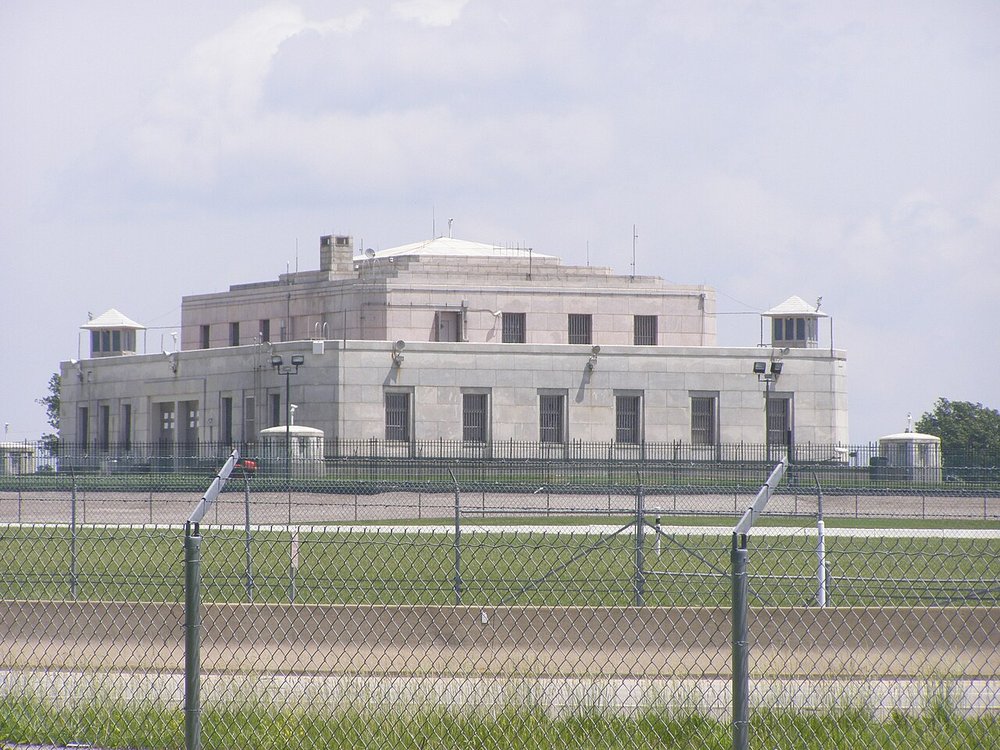
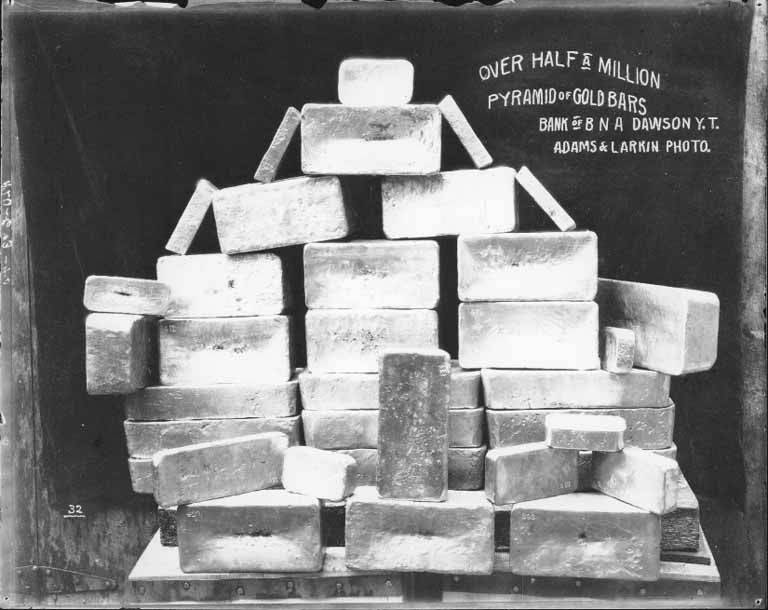
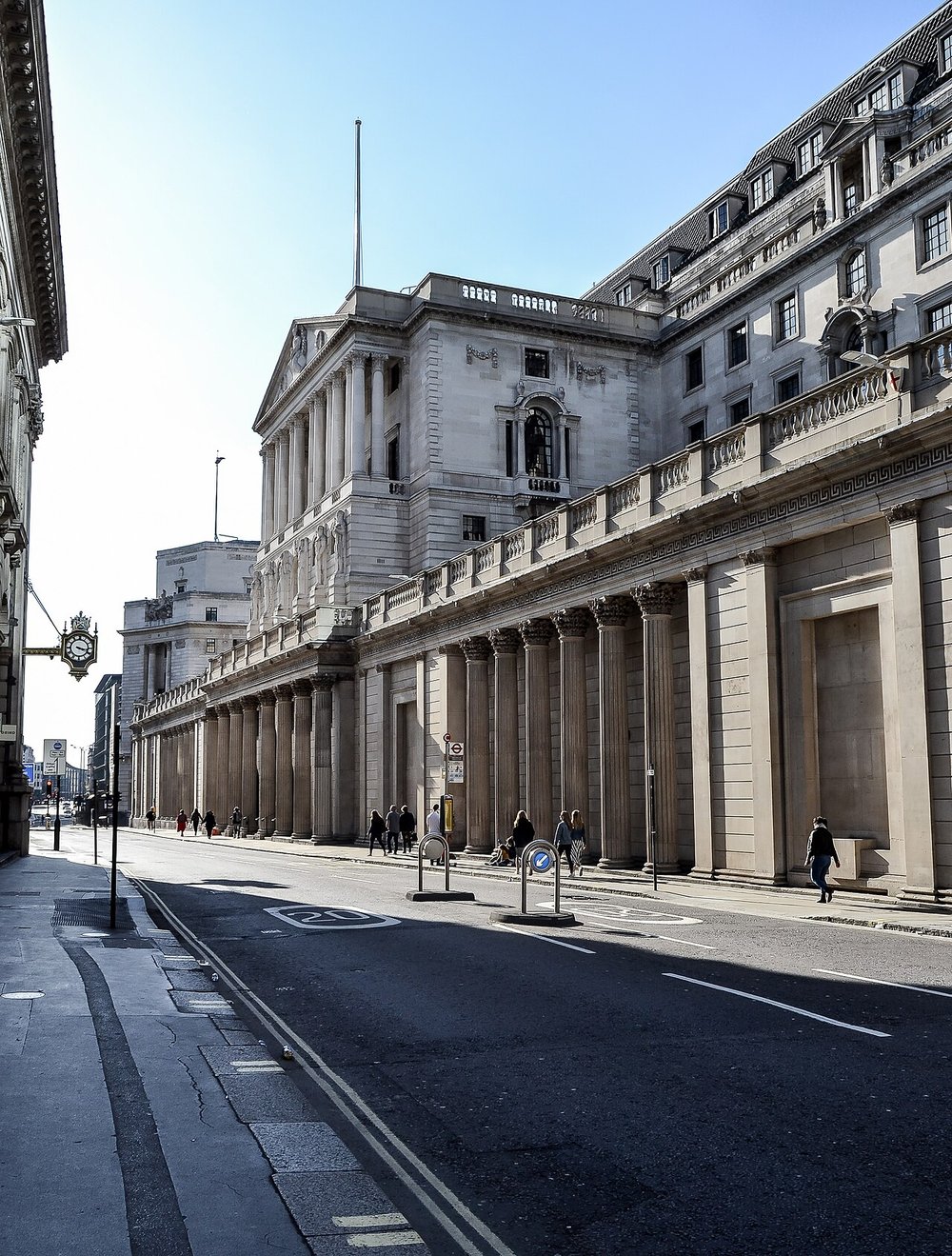
Behind a 20-tonne door in Kentucky sits the most famous pile of gold on Earth. Fort Knox has held the bulk of America's gold since 1937, and its name has become shorthand for anything locked away beyond reach. But Fort Knox is only one vault among many: central banks around the world hold more than 36,000 tonnes of gold between them.
In short
The United States Bullion Depository at Fort Knox, Kentucky, holds 147,341,858 fine troy ounces of gold — about 4,583 tonnes, or about 56 percent of all the gold the US government owns — according to the US Treasury's report of 31 August 2026. The total US reserve is 8,134 tonnes, the largest in the world, ahead of Germany with about 3,350 tonnes. Central banks worldwide hold about 36,500 tonnes in total.
Why Fort Knox was built
Fort Knox exists because of a law signed by President Franklin D. Roosevelt. The Gold Reserve Act of 30 January 1934 transferred the Federal Reserve's gold to the Treasury, and the government wanted it kept somewhere safe from attack, away from the coasts. The depository was completed in December 1936 at a cost of $560,000, and the first gold arrived on 13 January 1937, shipped from Philadelphia and New York by US Mail under heavy guard.
Most of its gold arrived as imports from Europe in the 1930s rather than from coins taken from Americans, and much of it is now stored as 90-percent-pure coin melt bars. At its peak at the end of 1941, Fort Knox held more than 20,000 tonnes — over 649 million ounces. During the Second World War the vault also sheltered the Declaration of Independence, the Constitution, and the Magna Carta.
How much is there now
Today's holding, about 147.3 million troy ounces, is far below the 1941 peak. Postwar gold sales and international settlements drew it down, and the total has barely changed since the mid-1980s. The US Treasury values the gold on its books at the statutory price of $42.22 per ounce, fixed by law in 1973 and never updated — far below the market price. The vault is guarded by the US Mint Police, its door weighs more than 20 tons, and the building was listed on the National Register of Historic Places in 1988.
Has it been audited?
The gold at Fort Knox has never had a full, independent physical audit, and calls to verify it have grown louder since 2025. Only two groups of outsiders have entered the vault, in 1974 and 2017. The Treasury's Inspector General audits the Mint's deep-storage gold schedules — the paperwork, seals, and inventory records — and its latest audit, completed on 12 December 2025, gave a clean opinion. The Treasury's monthly gold report has shown the same Fort Knox figure in every report since January 2012.
Central banks still buy gold
Central banks hold about a fifth of all the gold ever mined. After decades of selling, they became heavy buyers again: they bought more than 1,000 tonnes a year in each of 2022, 2023, and 2024 — more than double the previous decade's average — and 863 tonnes in 2025, according to the World Gold Council. The biggest holders are the United States (8,134 tonnes), Germany (3,350 tonnes), Italy (2,452 tonnes), France (2,437 tonnes), Russia (about 2,327 tonnes), and China (about 2,304 tonnes). The International Monetary Fund itself holds 2,814 tonnes.
Why do central banks hold gold? Because it is nobody's liability: it cannot be printed, it cannot default, and it holds value across borders and regimes. In 2022, the freezing of about $300 billion of Russia's foreign reserves made that point sharply — and central-bank buying accelerated further.
Sources: BullionStar, "Fort Knox Gold"; BullionStar, "Gold Reserves by Country"; World Gold Council, "World Official Gold Holdings", December 2025 Checked 27 November 2026.