Gold as Money Today
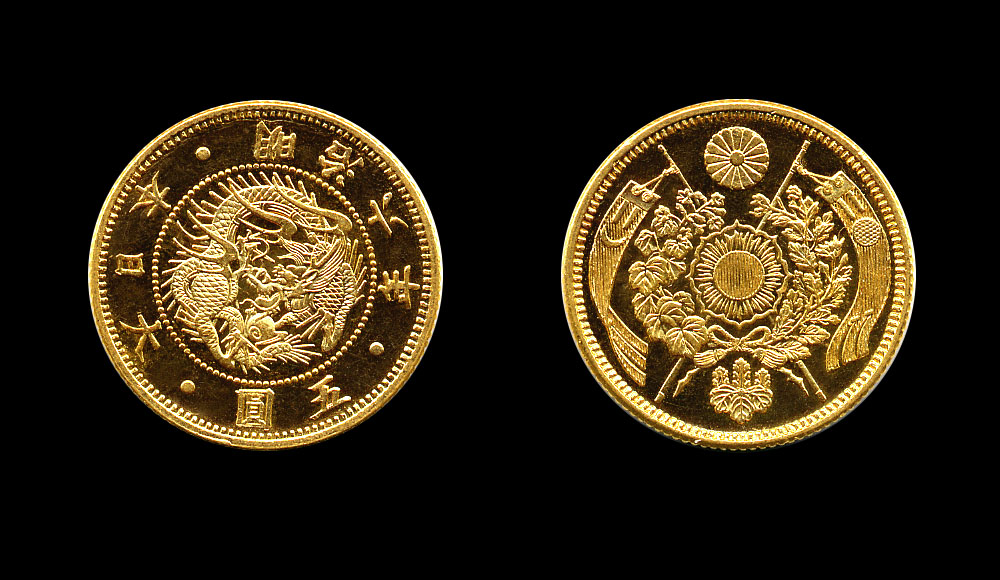

Gold stopped being everyday money half a century ago. You cannot pay for bread with a gold coin. Yet gold has never left the money system: central banks hold it, the world's biggest market trades it in London, and millions of people own it through funds that hold real bars in vaults.
In short
Gold is no longer legal tender, but it remains a monetary asset. Central banks hold about 36,500 tonnes of official gold reserves. The LBMA Gold Price, set twice daily in London, is the global benchmark price. Gold exchange-traded funds (ETFs) let investors own gold without holding bars: their holdings grew by 801 tonnes in 2025 alone, and gold ETFs traded about $7 billion a day on average in 2025.
The London market and the LBMA price
London is the centre of the world gold market. The London Bullion Market Association (LBMA) runs the market, and the LBMA Gold Price — set twice a day by an electronic auction and published by ICE Benchmark Administration — is the benchmark price used around the world. London vaults hold about 9,464 tonnes of gold, about 757,000 bars, worth about $1.2 trillion. A standard London gold bar, a "Good Delivery" bar, weighs about 400 troy ounces — around 12.4 kilograms — and must be at least 99.5 percent pure.
How the price is set
There is no single gold price. Gold trades around the clock between banks and dealers, on futures exchanges such as COMEX in New York, and over the counter in London. The spot price is the price for immediate delivery. In 2025 gold traded about $361 billion a day on average, according to the World Gold Council: about $180 billion over the counter, mainly in London, about $174 billion in futures, and about $7 billion in gold ETFs.
Coins, bars, and ETFs
For individuals, gold comes as coins and bars. The best-known bullion coins are the American Eagle, the Canadian Maple Leaf, and the Austrian Philharmonic. Bars range from 1 gram to 400 ounces. Since the first gold ETF launched in 2003, investors can also buy shares in a fund that holds real gold bars in a vault: the fund's price tracks the gold price, and the investor never touches a bar. In 2025, investment demand was the largest source of gold demand, at 2,175 tonnes, after ETF holdings grew by 801 tonnes.
Why gold still matters to money
Gold's role today rests on three facts. First, it is nobody's liability: unlike a bond or a bank deposit, it cannot default. Second, it cannot be printed: supply grows only by mining, about 3,672 tonnes in 2025. Third, it is accepted everywhere: a gold bar sells in London, Mumbai, or Shanghai. That is why central banks keep buying it, why investors turn to it in crises, and why — fifty years after the gold standard ended — gold is still called the world's most trusted store of value.
Sources: BullionStar, "Gold Reserves by Country"; Anadea, "Secrets of the gold market"; Strategic Metals, "Gold Uses" Checked 27 November 2026.