Gold Today
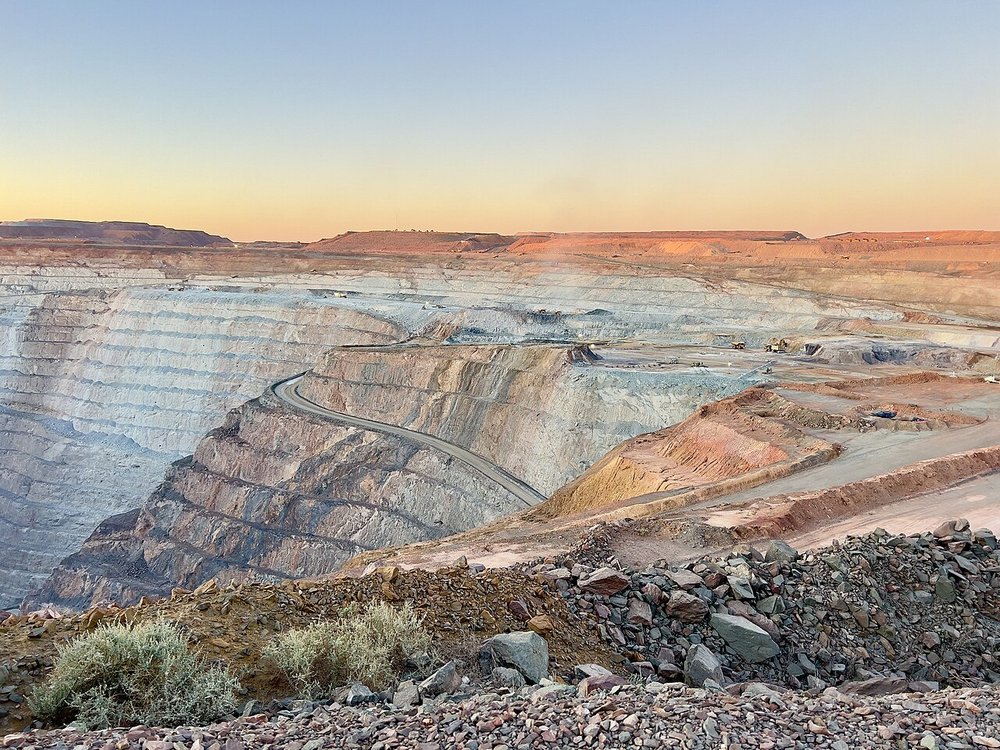
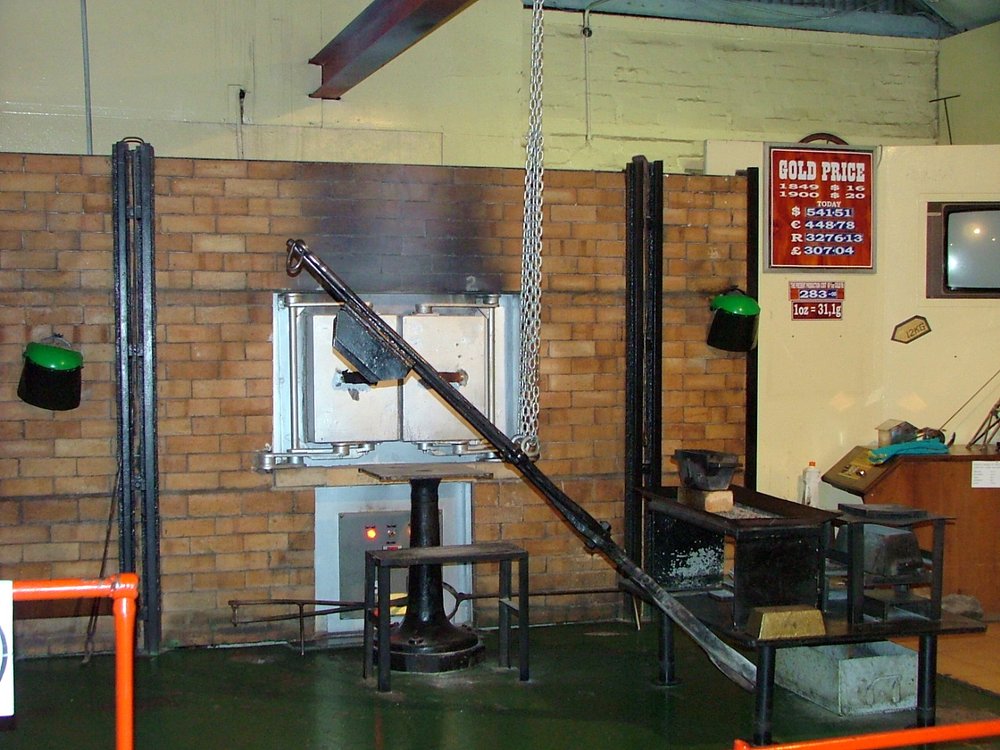
Gold is older than money, older than writing, older than the pyramids. Yet in 2025 gold had its biggest year ever: demand passed 5,000 tonnes for the first time, prices set record after record, and central banks bought more than 800 tonnes. The oldest money in the world is having a new moment.
In short
About 222,600 tonnes of gold have been mined in all of history, and roughly two-thirds of it since 1950, according to the World Gold Council. Almost all of it still exists, because gold does not wear out: about 45 percent is jewellery, the rest is bars, coins, central-bank reserves, and electronics. In 2025 total gold demand passed 5,000 tonnes for the first time, led by investment at 2,175 tonnes, jewellery at 1,638 tonnes, central banks at 863 tonnes, and technology at 323 tonnes.
Where the world's gold is
All the gold ever mined would fit into a cube about 22 metres on a side. It is spread across the world in four great piles: jewellery holds the most, about 45 percent; private bars and coins hold about 22 percent; central banks hold about 17 percent; and the rest is in technology and other uses. The biggest gold holders are the United States (8,134 tonnes), Germany (3,350 tonnes), Italy, France, Russia, and China. The biggest miners are China, Russia, and Australia.
2025: the biggest year on record
The World Gold Council counted total gold demand above 5,000 tonnes in 2025 for the first time, once over-the-counter trade is included. Investment demand was the largest sector at 2,175 tonnes, after exchange-traded fund holdings grew by 801 tonnes. Jewellery fabrication followed at 1,638 tonnes — down 18 percent from 2024 as prices climbed — central banks and other institutions bought 863 tonnes, and technology used 323 tonnes. Mine production was about 3,672 tonnes, a record, and the rest of supply came from recycling.
What gold is, and is not
Gold today is three things at once: a luxury material, an industrial metal, and a monetary asset. It is not a promise of profit. Its price has fallen 70 percent before — from about $850 in 1980 to about $252 in 1999 — and it fell about 29 percent in the first half of 2026 after its January record. It pays no interest and no dividend. What it offers is permanence: it does not rust, it cannot be printed, and it has held value across every currency, empire, and crisis of the last five thousand years.
The story so far
Gold began as the flesh of the gods in Egypt, became the first coins in Lydia, built cities in gold rushes from California to the Witwatersrand, anchored the world's money for a century, and now sits in central-bank vaults, wedding rings, phone circuits, and a telescope a million miles from Earth. No other substance has played so many roles for so long. That is why, after five thousand years, we are still digging it up, still wearing it, and still arguing about what it is worth.
Sources: Strategic Metals, "Gold Uses"; BullionStar, "Gold Reserves by Country"; Melt Value, "Highest Gold Price Ever" Checked 27 November 2026.