The Gold Rushes
A gold rush begins with a whisper: a few flakes in a river, a nugget in a rock. Within months, tens of thousands of people are on the move — crossing oceans, deserts, and frozen mountain passes — chasing the chance to get rich. Between 1848 and 1900, gold rushes redrew the map of the world.
In short
The great gold rushes began at Sutter's Mill in California on 24 January 1848, when James W. Marshall found gold while building a sawmill. About 300,000 people came to California between 1848 and 1855. Australia's rushes began in 1851, and the Klondike rush in Canada's Yukon began in 1896. In the fifty years between California and the Klondike, more gold was mined than in the previous three thousand years.
California, 1848-1855
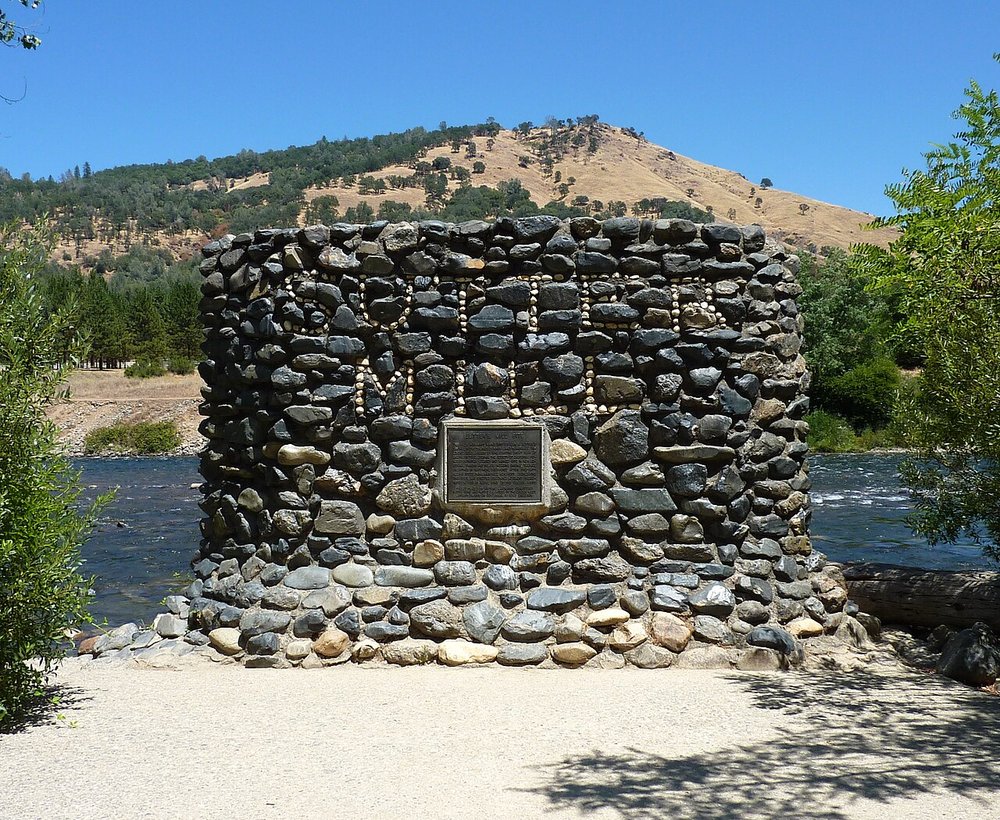
On 24 January 1848, carpenter James W. Marshall found gold in the tailrace of a sawmill he was building for John Sutter at Coloma, on the American River. Sutter and Marshall tried to keep the find secret, but within months the news had reached the East Coast, Latin America, Europe, China, and Australia. In 1849 the "forty-niners" arrived — about 80,000 in that year alone, and about 300,000 people in total between 1848 and 1855, roughly half by sea around Cape Horn and half overland in wagon trains.
San Francisco grew from about 1,000 people to 25,000 in two years. About 750,000 pounds of gold were recovered in California between 1848 and 1855, and California became a state in 1850 — just two years after the discovery. Most miners found little; the people who got rich were often the merchants who sold them shovels, food, and lodging.
Australia, 1851
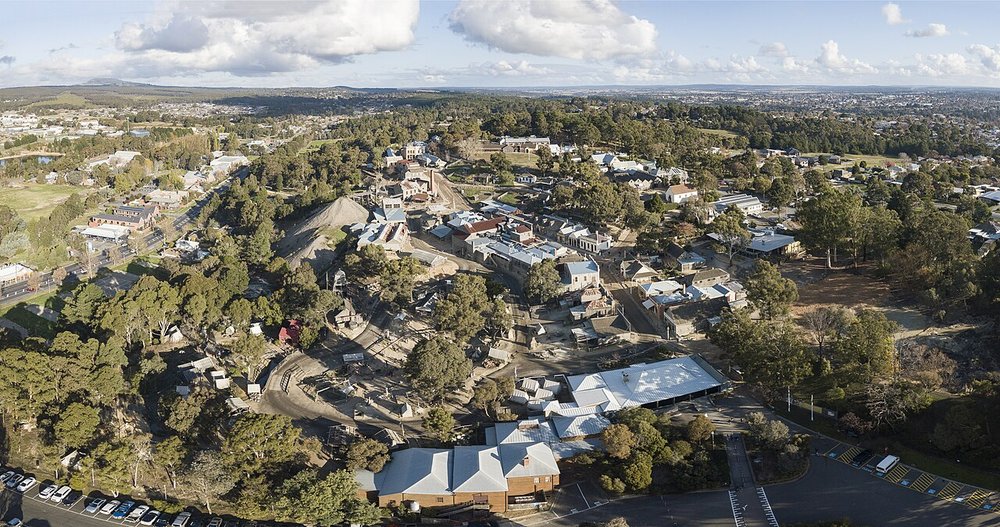
The next great rush began in Australia in 1851, when rich deposits were found in New South Wales and then at Ballarat and Bendigo in Victoria. Between 1851 and 1860, Victoria's population grew from 76,000 to 540,000. Anger at the miner's licence and the way it was enforced led to the Eureka Stockade at Ballarat on 3 December 1854, when troops stormed a miners' stockade — an event remembered as a turning point for Australian democracy.
The Klondike, 1896-1899
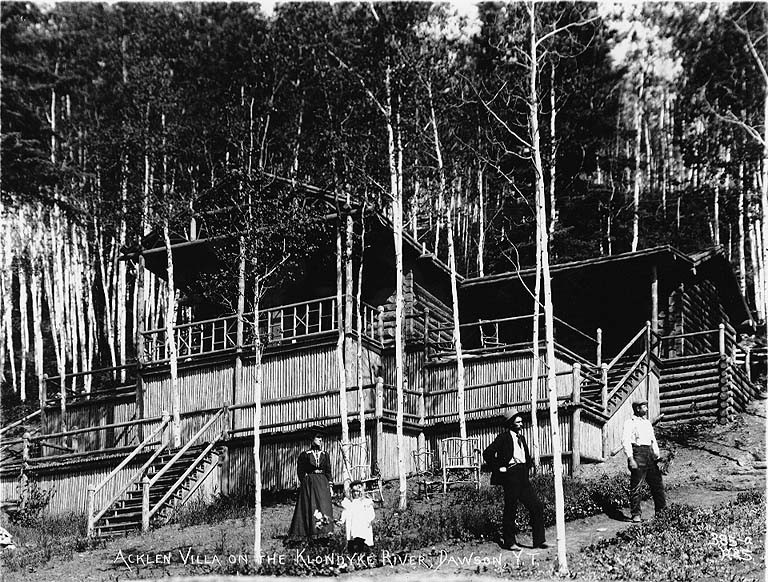
One of the last great rushes began on 16 August 1896, when gold was found on Bonanza Creek in the Yukon. When the news reached Seattle and San Francisco in 1897, about 100,000 people set out. Canadian police required each to bring a year's supplies, so stampeders hauled their goods up the Chilkoot Pass in relays. Only 30,000 to 40,000 reached the goldfields, most in 1898, and the rush had essentially ended by 1899. It lives on in the novels of Jack London and Charlie Chaplin's film The Gold Rush.
The pattern of every rush
Every rush followed the same pattern: a find anyone could exploit, news that travelled faster than any government could control, a stampede, a boom town, then companies and machines replacing individual miners. World gold output leapt from 10-20 tonnes a year in the first half of the 19th century to 180 tonnes after California and Victoria, and 450 tonnes a year by 1900. The rushes also had a dark side: they displaced Indigenous peoples, from the Native peoples of California to Aboriginal Australians, and left scarred landscapes behind.
South Africa: the rush that never ended
The biggest rush of all began in 1886, when gold was found on the Witwatersrand in South Africa. Unlike California or the Klondike, it did not fade — the gold lay in deep rock reefs, and it took companies, deep shafts, and thousands of workers to get it out. Johannesburg grew from a tented camp into a great city, and the Witwatersrand went on to produce about a third of all the gold ever mined. Its story is told in the mining guide.
Sources: Britannica Money, "Gold rush"; Prospector Trails, "Gold rushes then and now"; SRK, "140 Years of Mining the Witwatersrand Basin" Checked 27 November 2026.