Gold Jewellery and Culture
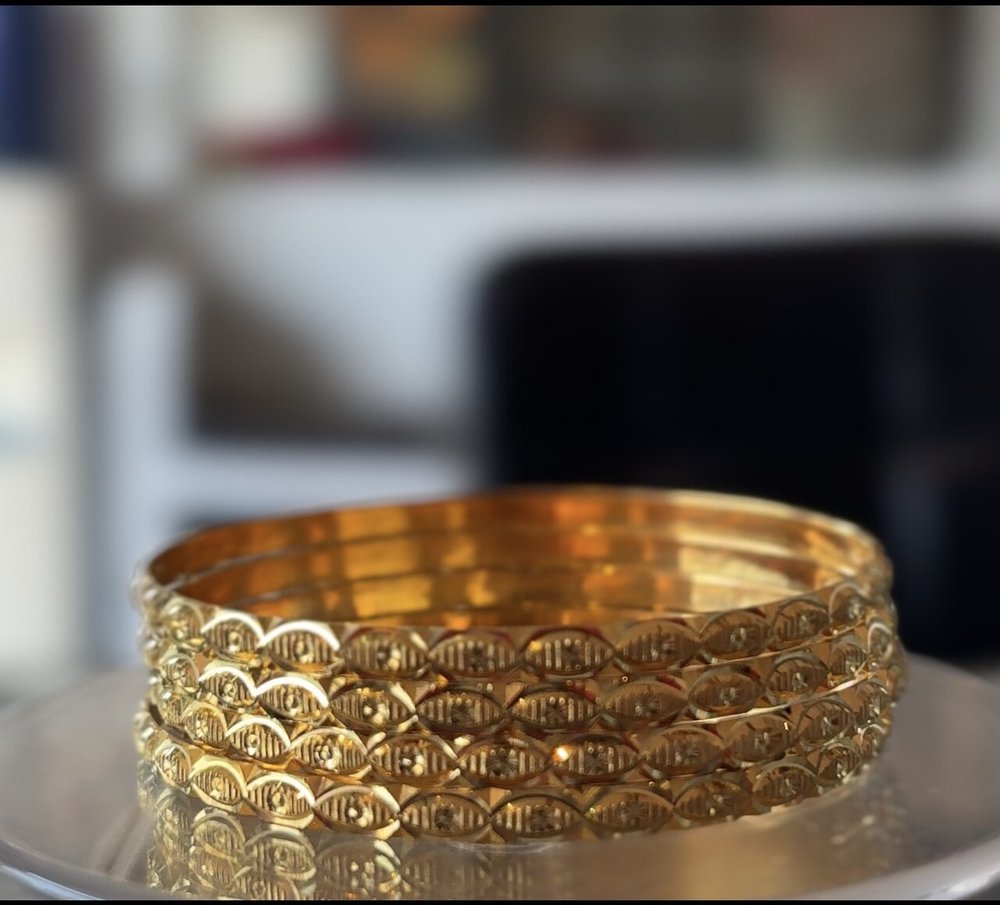
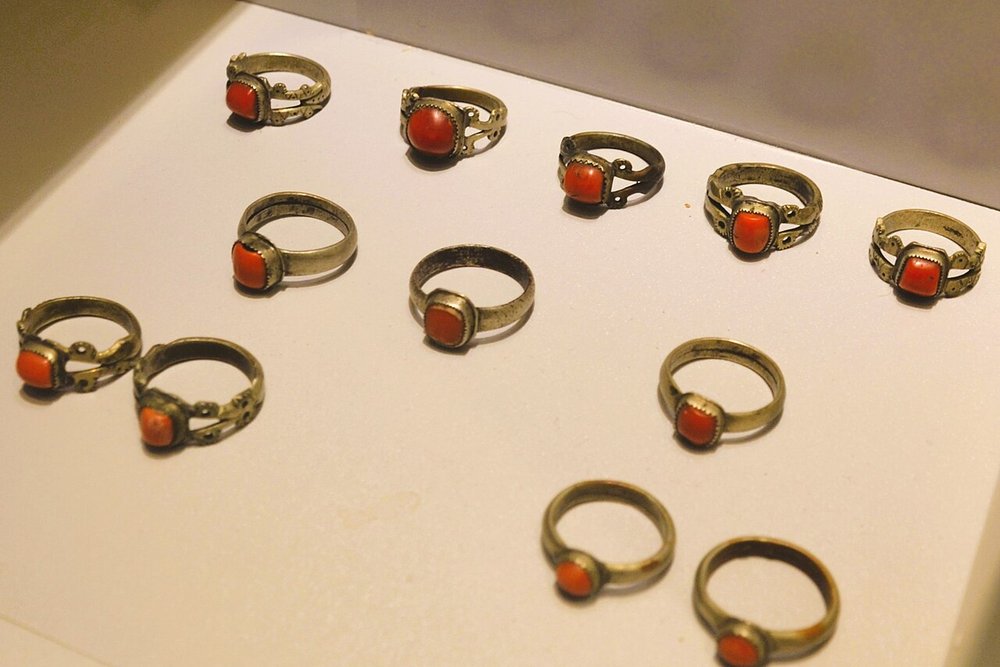
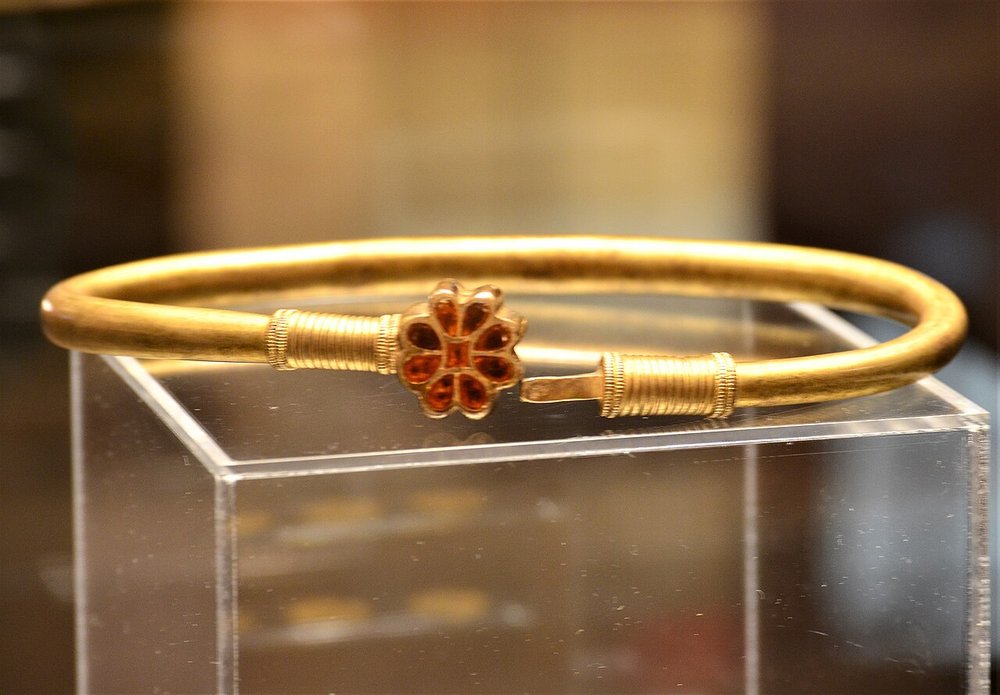
Gold is the one metal every culture agrees on. It crowns kings, seals marriages, marks festivals, and carries family wealth on the body — worn, gifted, and handed down. Today about 40 percent of all the gold used each year becomes jewellery, and almost half of all the gold ever mined is jewellery now.
In short
Jewellery is gold's largest single use, taking about 40 percent of annual gold consumption, according to the US Geological Survey. India and China are the largest markets, together accounting for about half of world jewellery demand. In both countries gold jewellery is not only decoration: it is wedding wealth, festival gift, and family savings that can be worn.
Why gold, why jewellery
Gold suits jewellery for reasons no other metal matches. It never tarnishes, so a ring looks the same after fifty years as on the day it was made. It is soft enough to shape into fine detail, yet strong enough to wear every day when alloyed with other metals. And it holds value: a gold necklace is savings you can wear. About 45 percent of all the gold ever mined — roughly 93,000 tonnes of about 222,600 tonnes — is jewellery today.
Purity is measured in karats: 24 karat is pure gold, 18 karat is 75 percent gold, and 14 karat is about 58 percent. Pure gold is too soft for most jewellery, so jewellers mix it with copper, silver, or other metals for strength and colour — white gold, rose gold, and yellow gold are all gold alloys.
India: gold as family wealth
No country loves gold more than India. Gold jewellery is central to weddings, where a bride's gold is both adornment and her own financial security, and to festivals such as Diwali and Akshaya Tritiya, when buying gold is considered lucky. India is the world's second-largest consumer of gold, after China. For generations, Indian families have kept their savings in gold jewellery rather than in banks — a tradition that survived even the Gold Control Act of the 1960s, which restricted private gold ownership until it was repealed in 1990.
China: gold for weddings and the New Year
In China, gold jewellery is also wedding wealth and a gift for the Lunar New Year, when gold is given for luck and prosperity. China is now the world's largest gold jewellery market. The colour itself matters: in Chinese culture gold means wealth and good fortune, and red and gold together are the colours of celebration.
Gold beyond jewellery
Gold marks the great moments of life across the world: wedding rings in the West, where the unbroken circle stands for unending love; gold medals at the Olympic Games, which are mostly silver coated with a thin layer of gold; and golden anniversaries — fifty years of marriage. In many religions gold decorates what is sacred: gilded domes, temple roofs, and the golden mosaics of churches and mosques. From a pharaoh's mask to a wedding ring, the meaning has barely changed in five thousand years: gold says this matters, and it will last.
Sources: First National Bullion, "Various Uses for Gold"; Strategic Metals, "Gold Uses"; BullionByPost, "Is It Illegal To Own Gold?" Checked 27 November 2026.