Gold Mining
All the gold ever mined in human history would fit into a cube about 22 metres on a side — small enough to sit under the Eiffel Tower. Yet getting it out of the ground has built cities, emptied rivers, and sent miners four kilometres underground, deeper than any other mine on Earth.
In short
The Witwatersrand Basin in South Africa, discovered in 1886, has produced about a third of all the gold ever mined — over 1.6 billion ounces. Its mines are the deepest in the world: Mponeng reaches roughly 4 kilometres down, where rock temperatures exceed 60°C. Today the biggest producers are China, Russia, and Australia, and world mine production was about 3,672 tonnes in 2025, a record.
The Witwatersrand: the richest goldfield on Earth
In early 1886, a prospector named George Harrison found gold-bearing rock on a farm called Langlaagte, near what would become Johannesburg. The gold lay in ancient layers of quartz pebble conglomerate, which miners call reefs. Within months a mining camp had grown into a town named Johannesburg, and within a generation it was the largest city in southern Africa. The Witwatersrand Basin has produced more than 25,000 tonnes of gold — by some estimates 30-40 percent of all the gold ever mined.
At its peak in 1970, South Africa produced about 1,000 tonnes of gold in a single year — nearly 80 percent of world output — and gold employed about 500,000 underground miners a day. Production has since fallen to under a tenth of its peak as the remaining ore lies extremely deep, grades have fallen, and costs have risen.
How gold is got out of the ground
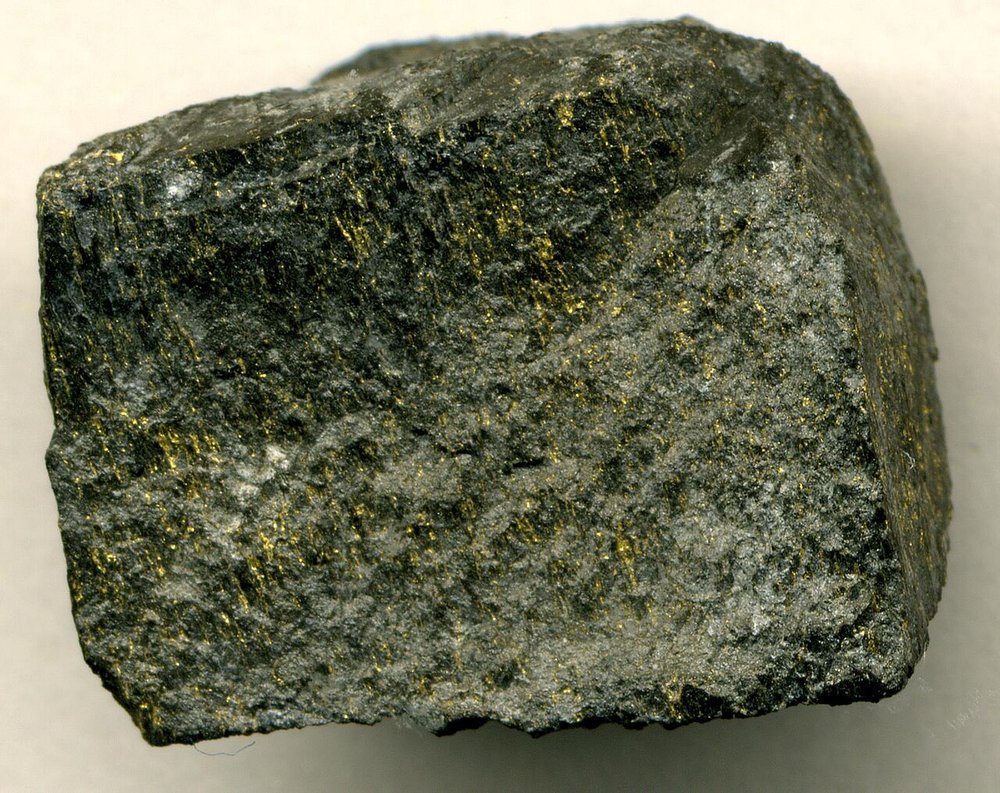
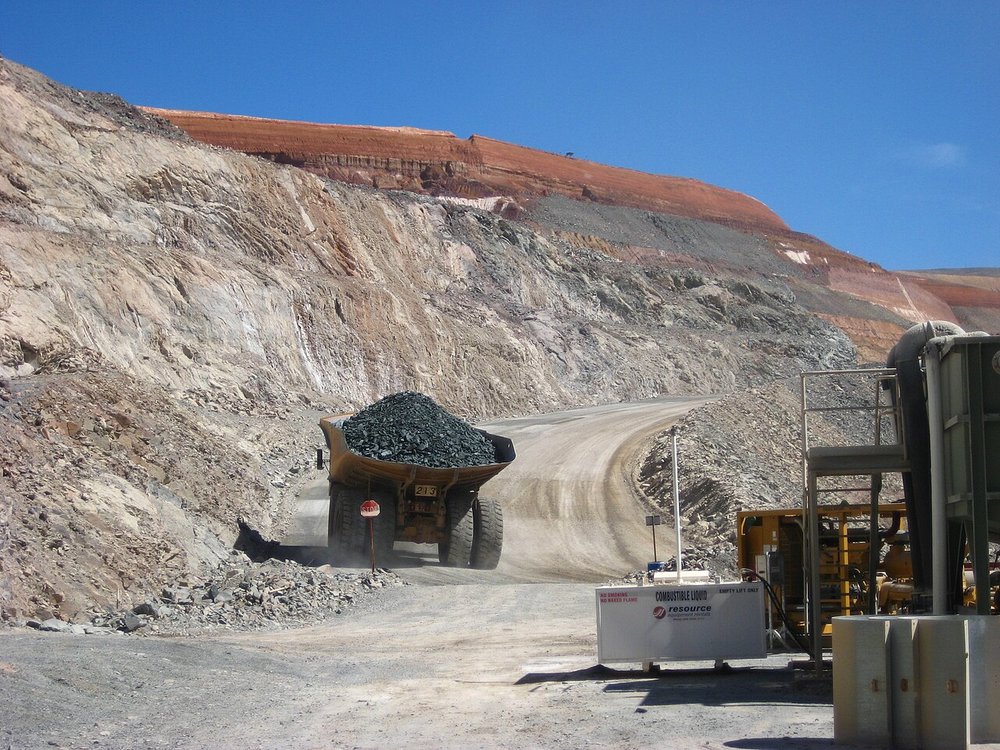
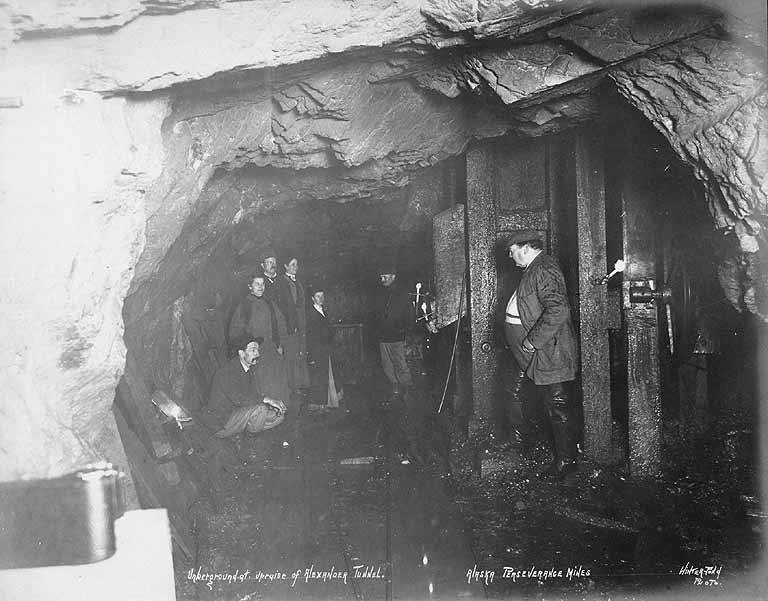
Gold mining takes three main forms. Placer mining washes gold out of river gravels, the way the forty-niners did with pans and sluices. Open-pit mining digs huge terraced holes in the earth. Underground mining follows veins and reefs deep below the surface. Most modern gold comes from hard-rock mines, where ore is blasted, crushed, and treated to free tiny particles of gold — often only a few grams per tonne of rock.
A key technology was the cyanide process, patented in 1887 by John Stewart MacArthur and the Forrest brothers in Scotland. Cyanide solution dissolves gold from crushed ore, and the gold is then recovered from the liquid. It made low-grade ore worth mining, and it is still the main method today — though cyanide is toxic, and spills have caused serious environmental damage.
The deepest mines on Earth
To follow the reefs, Witwatersrand mines went deeper than any other mines on Earth. Mponeng, west of Johannesburg, reaches roughly 4 kilometres below the surface, where rock temperatures can exceed 60°C and engineers pump ice underground just to keep the air breathable. The work was done largely by migrant workers from across southern Africa, who often lived in single-sex hostels far from their families, and the health effects of mine dust, such as silicosis, remain a serious issue for former miners.
Mining today
World mine production was about 3,672 tonnes in 2025, a record, according to the World Gold Council. The largest producers are now China, Russia, and Australia; South Africa is well behind them. About two-thirds of all the gold ever mined has been mined since 1950. Modern mines are also under pressure to cut their environmental cost: gold mining uses large amounts of water and energy, produces huge piles of waste rock, and in small-scale artisanal mining mercury is still widely used to collect gold — poisoning miners and rivers. Recycling is growing: old jewellery, electronics, and coins are melted down and used again, and gold, unlike most metals, loses nothing in the process.
Sources: SRK, "140 Years of Mining the Witwatersrand Basin"; Gold For Real, "The Witwatersrand gold rush"; Gold IRA Planet, "Gold Price History 1971-2026" Checked 27 November 2026.