The Gold Standard
For most of modern history, a pound or a dollar was not just paper — it was a promise. The promise was that you could take it to a bank and exchange it for a fixed weight of gold. That system, the gold standard, shaped world trade for a century. Then, in a single televised speech in 1971, it ended.
In short
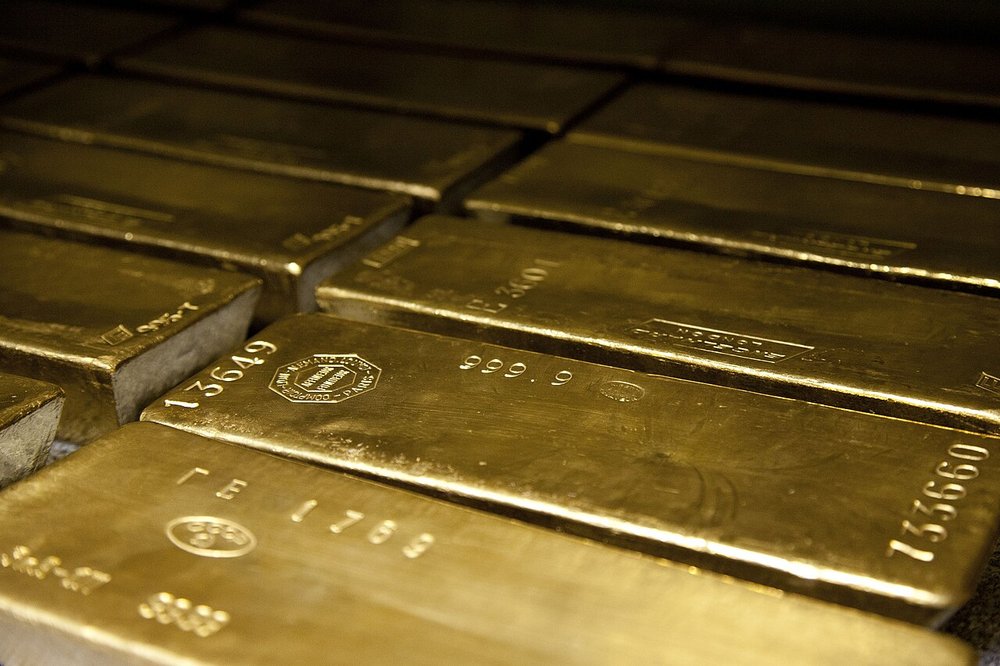
Under the gold standard, a country's money was fixed to a set amount of gold and could be exchanged for it. The classical gold standard ran roughly from the 1870s to 1914. After the Second World War, the Bretton Woods system (1944-1971) pegged other currencies to the US dollar, and the dollar to gold at $35 an ounce. On 15 August 1971, President Richard Nixon suspended the dollar's convertibility into gold — the "Nixon shock" — and the link was never restored.
The classical gold standard
In the classical gold standard, roughly from the 1870s to 1914, each major currency was fixed to a specific weight of gold, and paper money could be redeemed for the metal itself. Britain had been on gold since the early 19th century, and by the 1870s most major economies had joined. Trade between countries was settled in gold, and a country that spent too much lost gold and had to tighten its belt. The system gave the world stable exchange rates — but it also meant governments could not print money freely in a crisis. It collapsed with the First World War, when governments suspended convertibility to pay for the war.
Bretton Woods, 1944
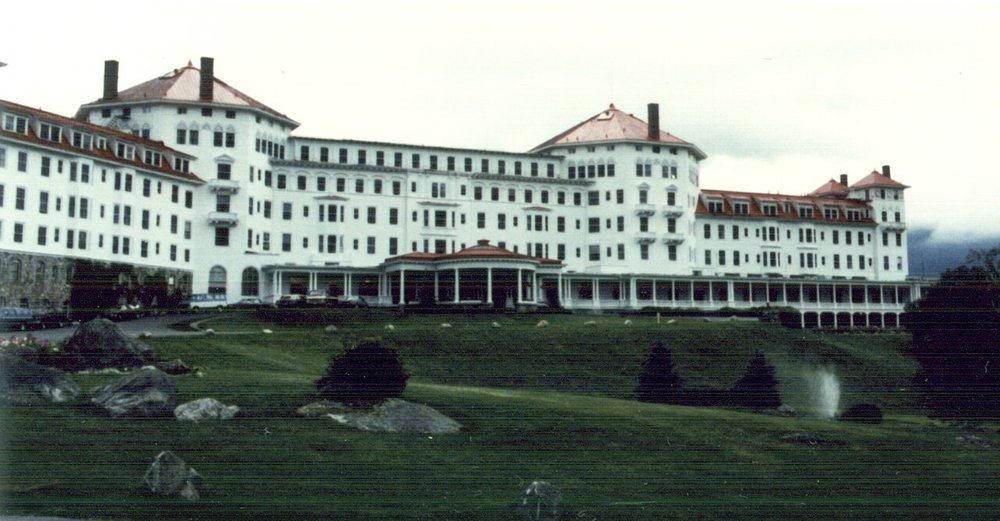
As the Second World War drew to a close, delegates from 44 nations met at Bretton Woods, New Hampshire, in July 1944 to design the postwar monetary order. The system they built placed the US dollar at the centre of the world economy — and placed gold behind the dollar. The United States pledged to convert dollars into gold for foreign central banks at the fixed rate of $35 per ounce. Every other major currency was pegged to the dollar within narrow bands.
Ordinary citizens no longer redeemed currency for metal; convertibility operated at the level of governments and central banks. The dollar became the world's reserve currency, trusted because it was, ultimately, "as good as gold". The system became fully operational in 1958, and the United States then held about half — by some counts three-quarters — of the world's official gold reserves.
Why it broke
In the 1960s the system came under strain. The United States was spending heavily at home and abroad, and more dollars were circulating overseas than the US gold stock could cover. Foreign governments began cashing in their dollars for gold, and US gold reserves fell sharply. The London Gold Pool, formed in 1961 to defend the $35 price, collapsed in March 1968. In May 1971 West Germany left the system, and by August 1971 only about 10,000 tonnes of gold remained in US reserves — less than half the wartime peak.
The Nixon shock
On 15 August 1971, President Richard Nixon announced that the United States would "suspend temporarily" the convertibility of the dollar into gold, alongside wage and price freezes and surcharges on imports. The suspension was never reversed. The Bretton Woods system became inoperative, and by 1973 the major currencies were floating — their values set by markets, not by gold. The dollar became a fiat currency, backed by nothing but trust in the government that issues it.
The end of the gold standard freed the gold price. Gold had been fixed at $35 an ounce for decades; within nine years it would touch about $850. That price story is told in the price-history guide.
Sources: Federal Reserve History, "Nixon Ends Convertibility of U.S. Dollars to Gold"; Wikipedia, "Nixon shock"; USAGOLD, "The Gold Standard Explained" Checked 27 November 2026.